
Our Woodland Named a County Wildlife Site (CWS): A Key Step for Local Nature
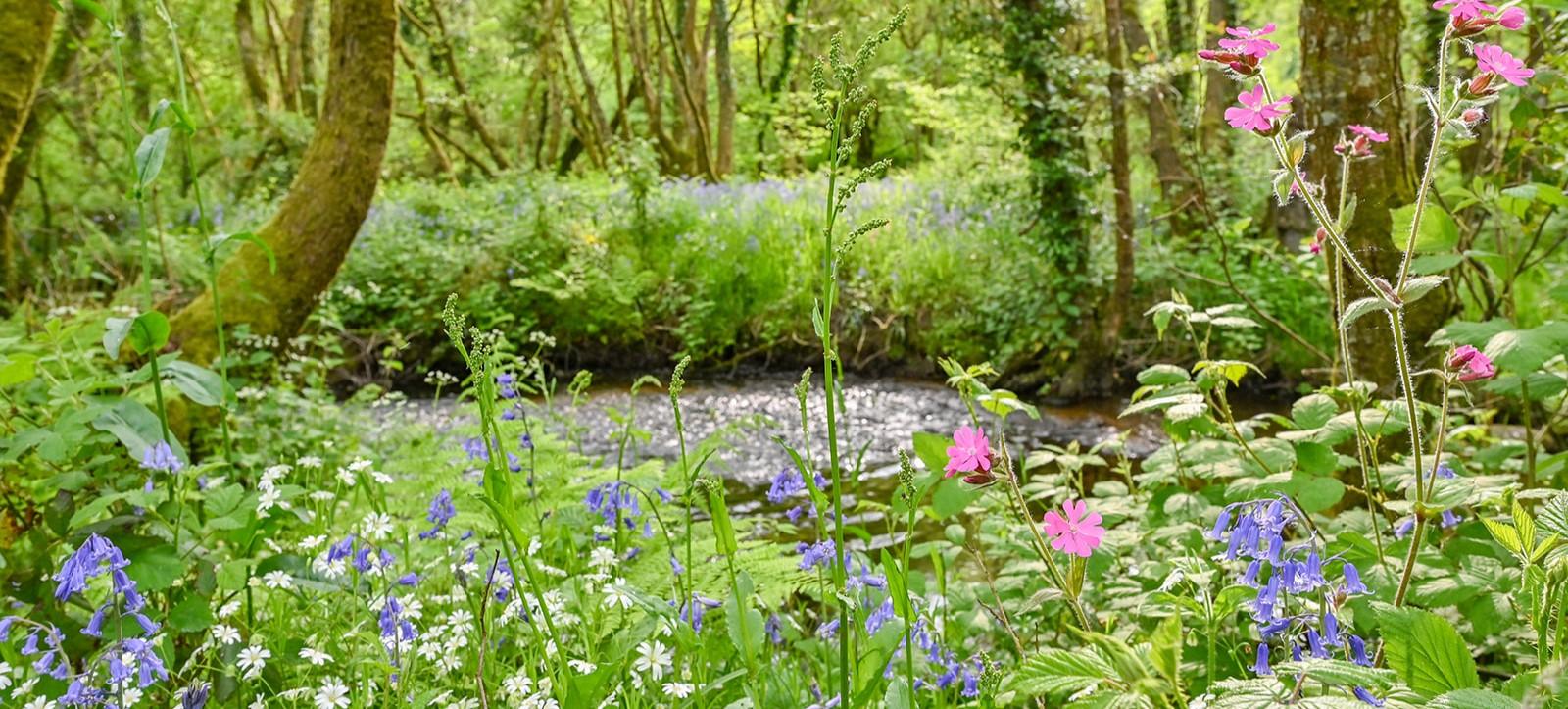
We are thrilled to share some wonderful news for the future of our woodland. Following a detailed ecological survey in May 2024, our site is now (since February 2026) officially designated as a Devon County Wildlife Site (CWS). This prestigious recognition highlights the vital importance of our rare wet woodland and lowland mixed deciduous woodland. It is a proud milestone in our mission to protect local biodiversity for years to come.
Protecting Rare Wet Woodlands and Mixed Deciduous Habitats
Our woodland is home to two very special ecosystems that are increasingly rare in the UK:
- Wet Woodland: Often found along our streams and floodplains, these “natural sponges” support a unique array of mosses, liverworts, and specialist insects.
- Lowland Mixed Deciduous Habitat: A classic British woodland canopy that provides a year-round haven for birds, bats, and essential pollinators.
Wet Woodland
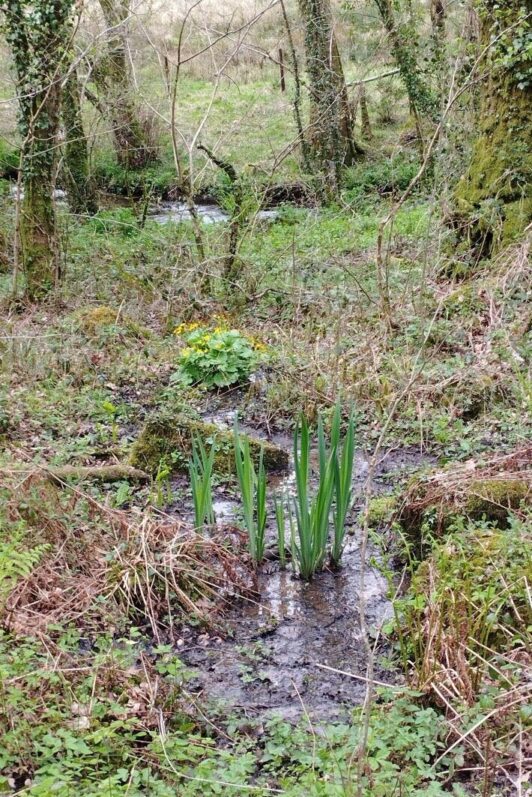
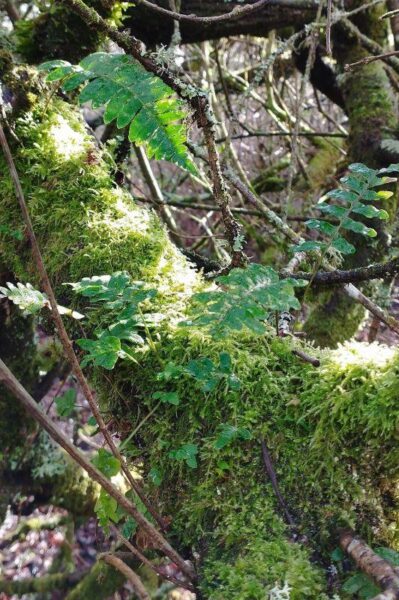
Wet woodlands are particularly valuable habitats. So, the CWS criteria simply relies on being able to demonstrate a strong affinity to a NVC (National Vegetation Classification) community. Our wet woodland is characterised by alder (W1) and grey willow (W7), species which thrive in the waterlogged soils alongside the Wray Brook which is seasonally flooded. These conditions support a rich web of life, including mosses, liverworts, and invertebrates, typical of temperate rainforest. Our site shows strong structural diversity, with multiple layers of vegetation and standing water features that enhance its ecological function.
Lowland Mixed Deciduous Woodland
The lowland mixed deciduous woodland habitat reflects a varied canopy of native species like oak, hazel, and ash, with a well-developed understorey and high species richness in the ground flora. This is indicative of long-established, ecologically stable woodland. The presence of deadwood, veteran trees, and minimal disturbance further contributed to the positive assessment.
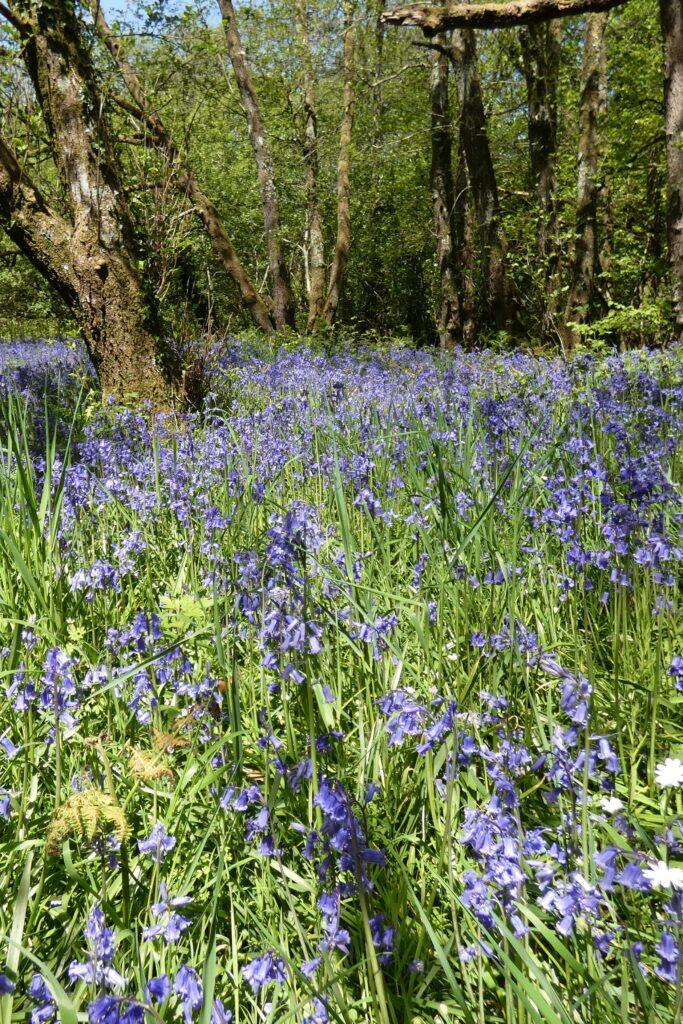
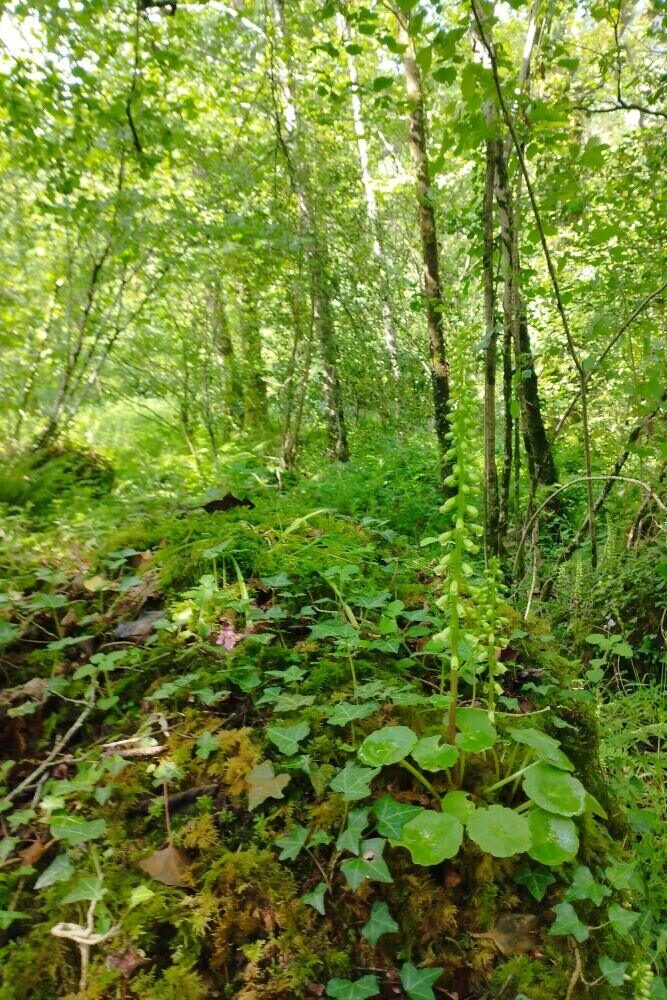
In our case, not only was this habitat found to meet the structural requirements of CWS criteria, but it also supports a rich ground flora, with species such as Hart’s-tongue fern, Bluebell, False brome, Opposite leaved golden-saxifrage, Pendulous sedge, Pignut, Primrose, Yellow archangel and Yellow pimpernel. All these species are examples of positive woodland indicator species, and the presence of marsh marigold, orchids, valerian, water mint, meadowsweet and bugle are also good additions.
Understanding the Planning Protection: How CWS Status Secures Our Future
While a County Wildife Site (CWS) designation is non-statutory and does not provide the same automatic legal protection as SSSI, it is a vital tool for the long-term preservation of our woodland. It ensures that nature has a formal seat at the table in local decision-making.
At a Glance: What CWS Status Means for Planning
- Official Recognition: Our woodland is now formally flagged on local authority maps as a site of high ecological value.
- Material Consideration: Any local planning applications must now legally account for the impact on our rare habitats.
- Stronger Defence: The designation creates a strong presumption against development that would harm our priority biodiversity.
- National Alignment: Our site is now a recognised part of the UK Nature Recovery Network.
- Support & Funding: This status opens doors to specialist grants to help fund the ongoing care and restoration of the land.
With Sincere Thanks to Our Partners
This conservation milestone was made possible through the collaborative efforts of several key organisations. We would like to extend our sincere thanks to:
- Devon Biodiversity Records Centre (DBRC) for their formal designation of our site as a County Wildlife Site (CWS).
- Richard Green Ecology for their expert ecological survey, which accurately mapped our rare habitats.
- The Dartmoor National Park FiPL team, whose funding through the Farming in Protected Landscapes programme has been instrumental.
- The Bulworthy Project for their passion and expertise in crafting our comprehensive Woodland Management Plan.
Our Voluntary Commitment to Conservation
Gaining CWS status is a fantastic recognition of our woodland’s value, but it doesn’t come with a legal “to-do list.” However, because we are passionate about the future of this habitat, we have chosen to go above and beyond.
We have developed a comprehensive Woodland Management Plan specifically designed to boost nature conservation and increase local biodiversity. This plan ensures that our rare wet woodland and deciduous habitats don’t just exist—they thrive.
How You Can Experience and Help Protect Our New CWS?
While CWS status is all about protecting nature and doesn’t automatically open the woods to the public, we would love to share this special place with you!
You are incredibly welcome to book a visit to explore the beauty of our habitats first-hand. Better yet, why not get stuck in? We warmly invite volunteers—whether you’re an individual looking to connect with nature or a team seeking a rewarding day out—to join us in caring for these rare woods.
Together, we can ensure this extraordinary habitat thrives for generations to come.